The Azores Blue Marlin Window Is Three Months, Not a Season
Why grander blue marlin fishing in the Azores really peaks July-September over seamount structure like Princess Alice Bank.
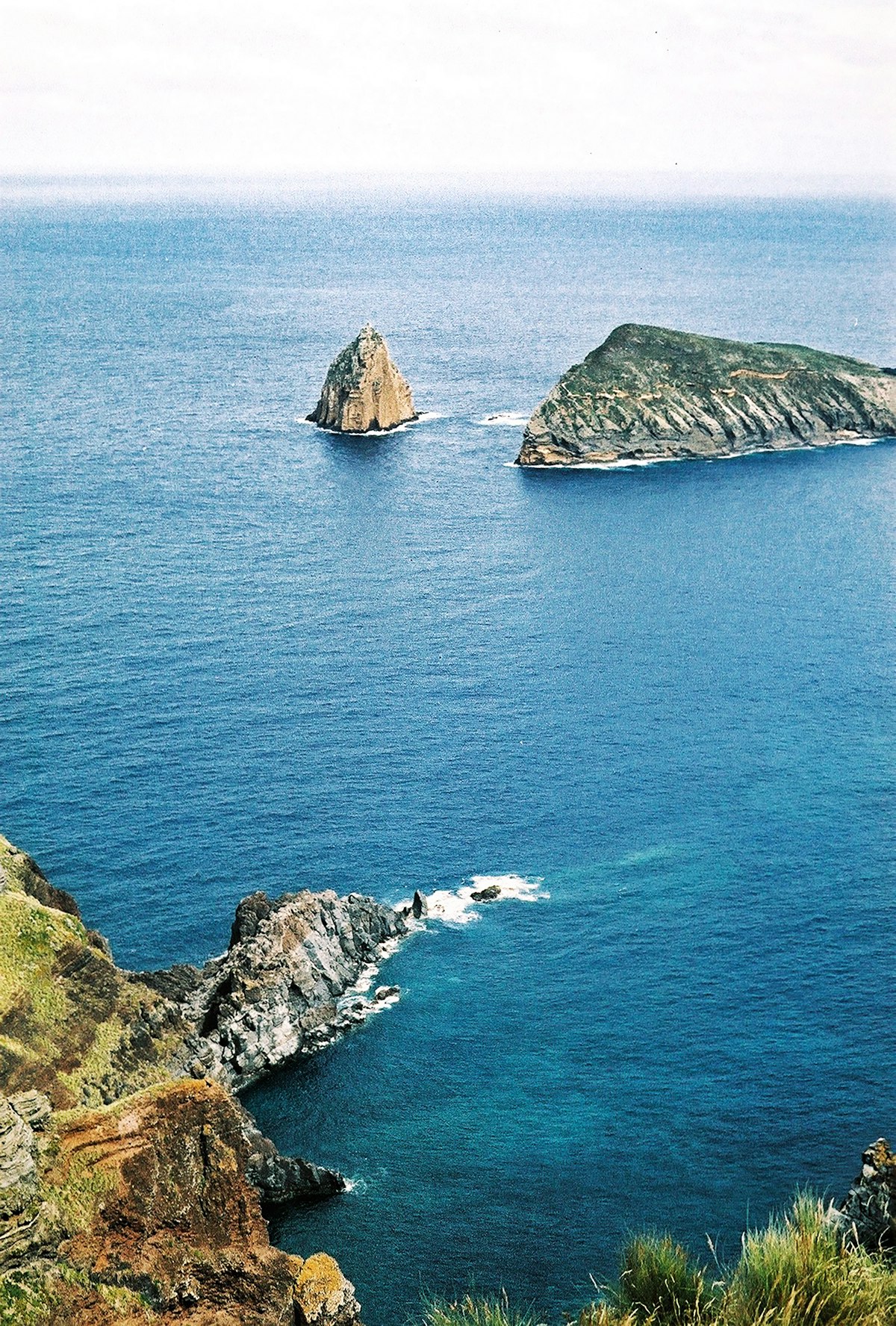
Ask a charter captain in São Miguel or Horta what “the season” means and you’ll get a specific answer: July through September, with August being the reliable peak, not the broader May-through-October range that some booking sites imply to keep their calendars full longer.
The Azores earns its reputation on the strength of a genuinely remarkable blue marlin fishery — grander-class fish (1,000lbs+) show up here with a frequency that rivals or beats more famous marlin destinations, drawn by the underwater seamount structure that concentrates baitfish and squid in the open Atlantic. What sets this apart from, say, Cabo or Kona is the seamount-based fishing style: captains work specific underwater structures (Princess Alice Bank being the most famous) rather than blind-trolling open water.
Early-season tuna fishing (May-June) gets overshadowed by the marlin marketing but deserves separate attention — bigeye and yellowfin tuna fishing during these shoulder months, before the marlin bite fully switches on, produces excellent numbers on lighter tackle and makes for a genuinely different, more physically demanding day of fishing than marlin trolling.
Tackle for marlin work here runs heavy conventional gear, typically 50-80lb class outfits with lure spreads mixing large plastic marlin lures and natural bait rigs. Because much of the fishing happens over specific seamount structure rather than open blue water, captains here put real emphasis on reading structure and current on the electronics — this isn’t a fishery where you just run lines out and wait.
Weather is the honest limiting factor for this destination, more than most marketing acknowledges. The Azores sit in open Atlantic water with real exposure to weather systems, and even in peak season, multi-day blows can scrub fishing entirely — build buffer days into any trip here longer than you would for more sheltered destinations, and don’t book a tight itinerary that leaves no room for a weathered-out day or two.
Cost runs moderate by international big-game standards — day charters typically land in the $1,200-2,000 range for a private boat depending on size and season, which is less than comparable grander-class marlin fisheries in the Pacific, likely reflecting the Azores’ relative distance from major fishing-tourism markets rather than any gap in fish quality.
Where this destination underperforms relative to its reputation: accessibility. Flight connections to the Azores from outside Europe generally require a layover through Lisbon or another European hub, adding real travel time that destinations like Cabo or Costa Rica, closer to major North American population centers, don’t impose. For US-based anglers specifically, factor an extra travel day each way into any trip-cost comparison against Western Hemisphere marlin destinations.