Cabo San Lucas Fishing: The Marina Isn't Where the Good Boats Are Anchored
Why striped marlin season peaks November-March in Cabo, and how to avoid dock hawkers when booking a real charter.
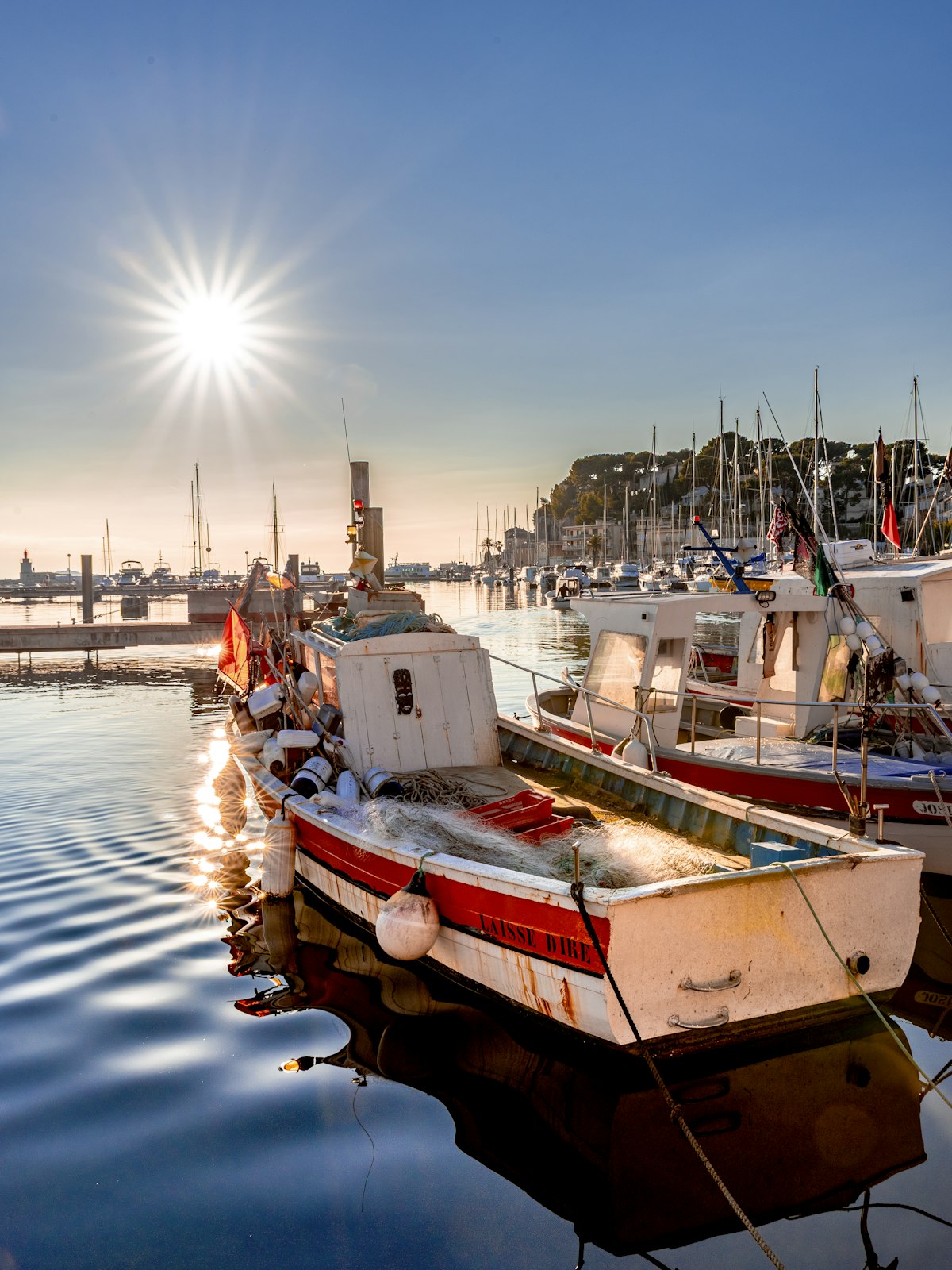
Walk the main tourist docks at Cabo San Lucas marina and you’ll get approached by dock hawkers offering “the best fishing boat” within thirty seconds — ignore all of them and book through a vetted operator ahead of time, because the boats that fill up the fastest with repeat clients rarely need to hustle walk-up tourists off the dock.
Cabo sits at the tip of the Baja peninsula where the Pacific meets the Sea of Cortez, and that geography is the actual reason for its fishing reputation — deep water and current convergence close to shore concentrate striped marlin, dorado, yellowfin tuna, and wahoo within a relatively short run from the marina compared to destinations requiring hours to reach blue water.
Striped marlin fishing here has a genuine peak that most general “great fishing year-round” marketing undersells — the numbers surge noticeably from roughly November through March, when striped marlin migrate through the area in significant concentrations, sometimes producing multiple-fish days that simply don’t happen in the summer months at the same rate.
Summer shifts the program toward dorado, yellowfin tuna, and occasional blue marlin, with the offshore fishery generally staying productive but requiring different tactics — more emphasis on working weed lines and temperature breaks for dorado, versus the more structure-and-current-focused striped marlin fishing of winter months.
Tackle standard here runs 30-50lb class conventional gear for the majority of trolling work, stepping up to 50-80lb for larger yellowfin and any blue marlin encounters. Circle hooks for live bait presentations are increasingly standard practice among reputable operators, particularly for striped marlin catch-and-release.
Cost varies enormously by boat size and whether you’re booking a shared or private charter — shared pangas targeting inshore and nearshore species run considerably cheaper than private sportfishers chasing offshore marlin, and the marketing gap between “$99 fishing trip” ads and a legitimate offshore marlin charter reflects genuinely different products, not just different price points for the same experience.
One detail that trips up first-timers: Cabo’s dual-coast geography means wind and sea conditions can differ meaningfully between the Pacific and Cortez sides on the same day, and experienced captains adjust which side they fish based on that day’s specific conditions rather than sticking to one side out of habit. A captain who explains this reasoning to you is generally a better sign than one who just runs the same route regardless of conditions.
Where Cabo underdelivers relative to its party-town reputation: the sheer volume of tourist boat traffic on popular water means genuinely pressured fish in the most convenient, closest-to-marina zones, and anglers willing to run further or fish less convenient hours generally see better results than those expecting trophy fish minutes from the dock.