Best Drift Sock: Sizing to Boat Length Beats Buying the Biggest One Available
Why matching drift sock size to your boat length and that day's wind, not maximum size, controls drift speed properly.
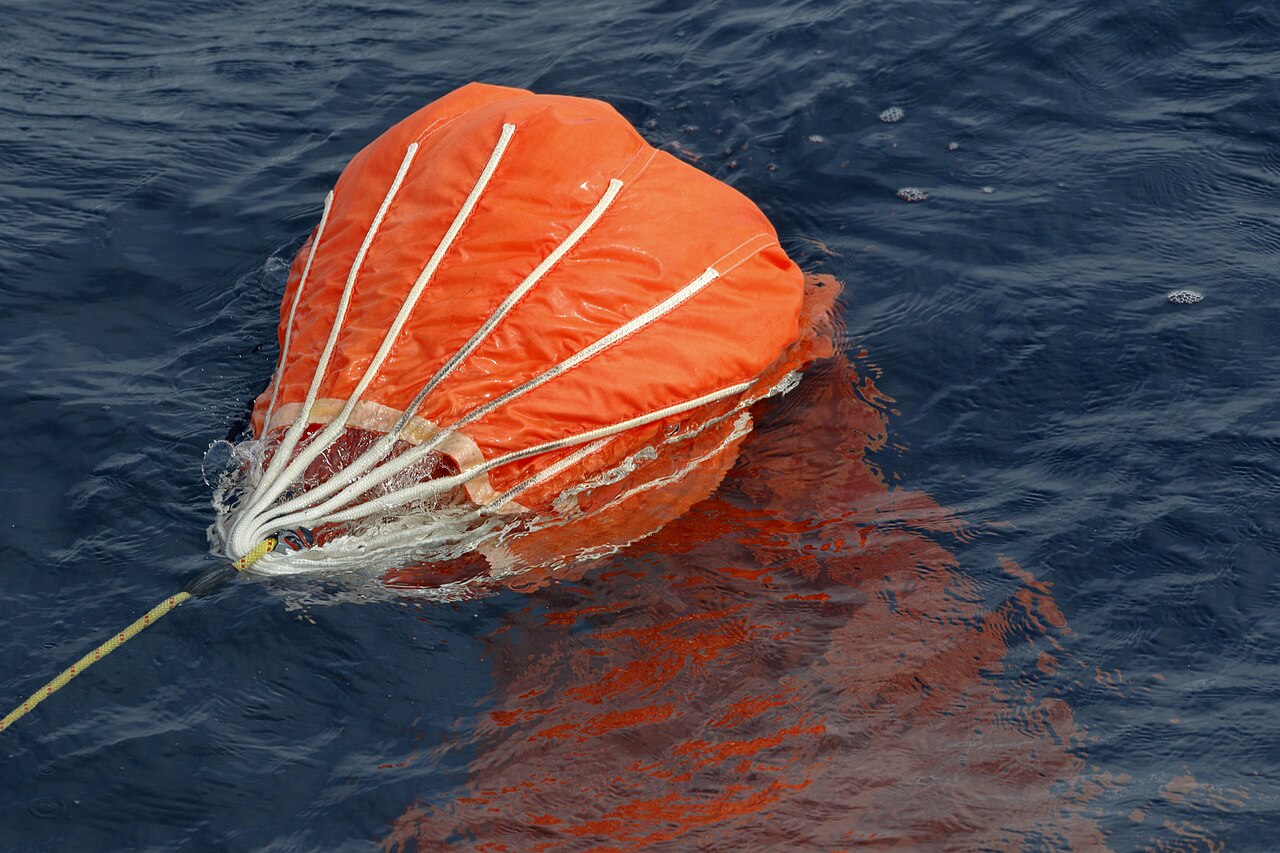
Drift sock shoppers often assume bigger automatically means more effective, but a sock oversized for your specific boat creates excessive drag that can make controlled drifting genuinely difficult rather than helpful, while a properly sized sock actually slows drift to a controllable, fishable pace without overcorrecting.
The general sizing principle experienced boaters follow is matching drift sock size roughly to boat length, not to some universal “biggest is best” standard, since a sock sized appropriately for a smaller boat creates proportional drag that slows drift usefully, while that same size on a considerably larger, heavier boat might barely register any meaningful effect at all.
Wind and current conditions on a given day affect the ideal sock size more than any fixed boat-length formula alone, and anglers regularly fishing genuinely variable conditions often benefit from owning more than one size, deploying a smaller sock in lighter conditions and a larger one when wind or current would otherwise push drift speed beyond a comfortable, fishable pace.
Deployment and retrieval mechanism design matters more for practical day-to-day use than most buyers initially consider, since a drift sock that’s difficult to deploy quickly or that tangles during retrieval becomes a genuine hassle that discourages actually using it as often as conditions might call for — a well-designed retrieval system with a functional trip line for collapsing the sock before hauling it back in makes a meaningful practical difference.
Material durability under repeated deployment and retrieval, along with genuine saltwater exposure, affects long-term value more than initial purchase price alone, since a cheaper sock that tears or degrades after limited use costs more in the long run than a slightly pricier, genuinely durable option built to withstand repeated real-world use.
Attachment point and bridle design affect how evenly and predictably the sock deploys and holds position relative to the boat, and a poorly designed attachment system can cause a sock to deploy asymmetrically or spin unpredictably, undermining the controlled, predictable drift that’s the entire point of using one in the first place.
Storage size when collapsed matters for anglers on smaller boats with limited storage space, and a drift sock that packs down compactly for storage between uses offers genuine practical value over a bulkier design that takes up disproportionate space relative to how frequently it actually gets deployed during a typical season.
Multiple sock use for even more precise drift control deserves consideration for anglers doing particularly technical drift fishing, since deploying two smaller socks rather than one larger one sometimes offers more nuanced control over both drift speed and boat orientation relative to wind and current than a single sock alone provides.
Where I’d push back on common buying advice: a lot of general boating guidance treats drift sock sizing as a simple lookup based purely on boat length, without accounting enough for how much specific wind and current conditions on a given day should influence sock choice for that particular outing. In practice, treating boat-length sizing charts as a helpful starting point rather than a rigid rule, and being willing to size up or down based on that day’s actual conditions, produces better controlled drift fishing than mechanically applying a fixed formula regardless of the day’s specific wind and current.
Bottom line: use boat-length sizing charts as a starting reference rather than a rigid rule, consider owning more than one size if you regularly fish variable wind and current conditions, and prioritize deployment and retrieval mechanism quality alongside material durability over chasing the largest available size.