Best Fishing Fillet Knife: Blade Flex Matters More Than Steel Hardness Numbers
Why blade flex matched to your target species matters more than steel hardness rating for a saltwater fillet knife.
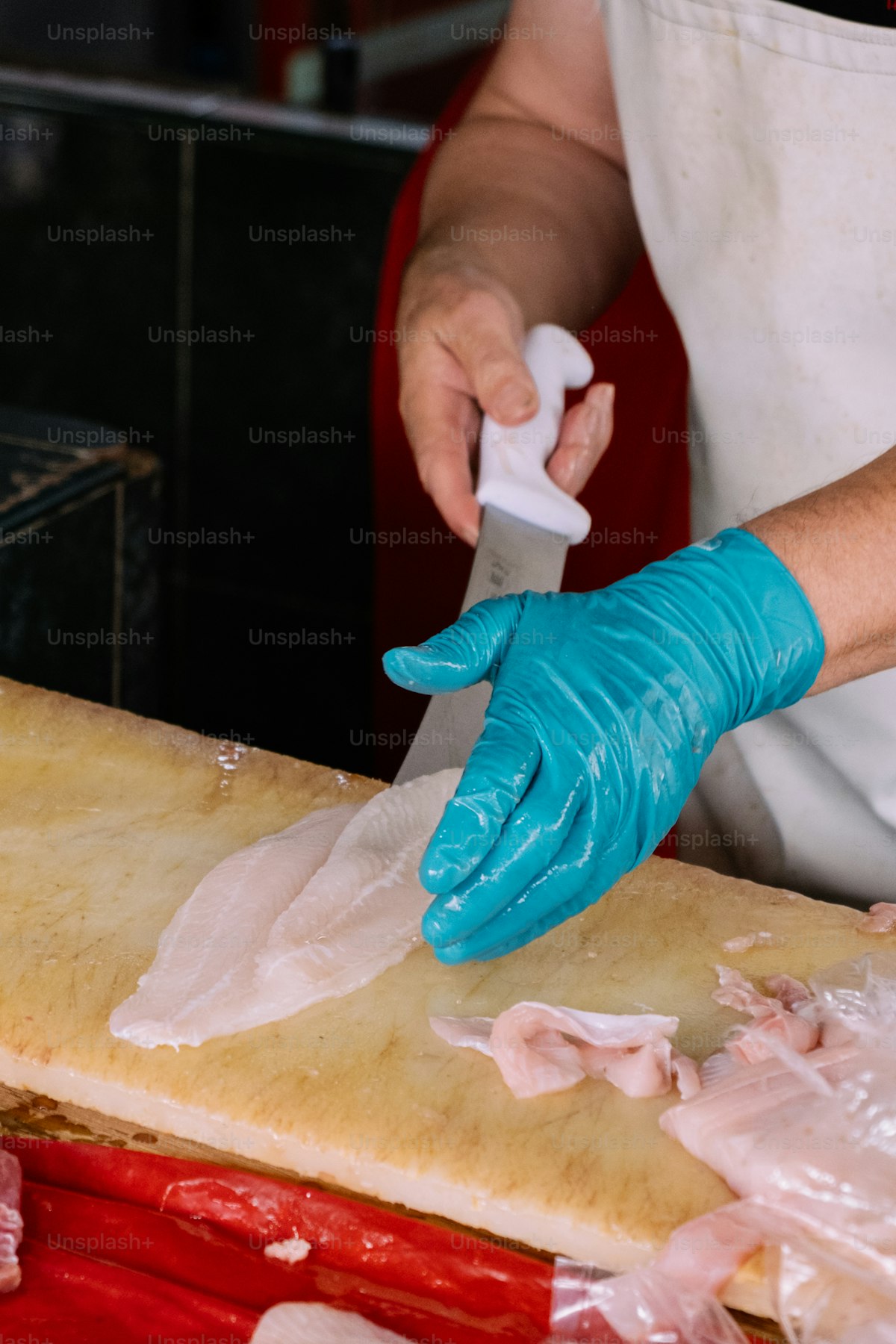
Knife shoppers fixate on steel hardness ratings and edge-retention claims, but blade flex — how much the blade bends and follows the natural contours of a fish’s body during filleting — actually determines fillet quality and yield more directly than marginal differences in steel hardness between comparable quality options.
A more flexible blade follows the backbone and rib structure more precisely during filleting, producing cleaner cuts with less wasted meat left on the bone, particularly valuable for larger or bonier fish where a stiffer blade tends to cut through structure less precisely, leaving more usable meat behind than a properly flexible blade would.
Stiffer blades genuinely suit different tasks better than flexible ones, particularly initial cuts through tougher structure or when portioning larger cuts before the more delicate flex-blade filleting work begins — many serious anglers who process their own catch regularly maintain both a stiffer utility blade and a flexible fillet-specific blade rather than expecting one knife to handle both tasks equally well.
Steel type affects the balance between edge retention and ease of sharpening, and this trade-off matters more practically than raw hardness numbers suggest. Harder steels hold an edge longer between sharpenings but take more skill and effort to sharpen when they do eventually dull, while softer steels dull faster but sharpen more easily and quickly — matching this trade-off to your own sharpening skill and how frequently you process fish helps determine which balance genuinely suits you better.
Corrosion resistance deserves real attention specific to saltwater use, since a blade that develops rust spots or pitting from repeated saltwater and fish-processing exposure both performs worse over time and becomes a genuine hygiene concern for food preparation — stainless or genuinely corrosion-resistant steel formulations matter more for saltwater fillet knives than they might for a general kitchen or hunting knife used in drier conditions.
Handle grip security when wet deserves as much consideration as blade quality itself, given how consistently wet and often slippery (from fish slime and blood) conditions are during actual filleting work — a textured, ergonomic handle that maintains secure grip when wet prevents both a compromised, less precise fillet and a genuine safety risk from a slipping blade during active use.
Blade length should match your typical target species size rather than defaulting to whatever length feels most impressive in a store display. Smaller inshore species are filleted more precisely with a shorter blade offering better control, while larger offshore species genuinely benefit from a longer blade capable of completing longer cuts in fewer strokes.
Care and maintenance requirements vary enough between steel types that this deserves consideration before purchase, not just after. A knife requiring more frequent maintenance to prevent corrosion or maintain its edge suits an angler who processes fish regularly and doesn’t mind the upkeep, while a more forgiving, lower-maintenance option might better suit someone who fillets fish only occasionally and wants a knife that tolerates less consistent care between uses.
Where I’d push back on common buying advice: a lot of recommendations rank fillet knives primarily by steel hardness rating, treating a higher number as straightforwardly better. In practice, blade flex matched to your typical target species and the broader trade-off between edge retention and sharpening ease matter more for actual fillet quality and long-term satisfaction than maximizing hardness rating alone — an angler who processes fish regularly but dislikes difficult sharpening tasks is often better served by a somewhat softer steel than by the hardest-rated option available.
Bottom line: choose blade flex matched to your typical target species size, weigh the edge-retention-versus-sharpening-ease trade-off honestly against your own maintenance habits, and prioritize genuine corrosion resistance and secure wet-handle grip over marginal steel hardness differences.