Best Fishing Headlamp: Red-Light Mode Matters More Than Lumen Count
Why a genuinely usable red-light mode and battery life matter more than maximum lumen output for night fishing.
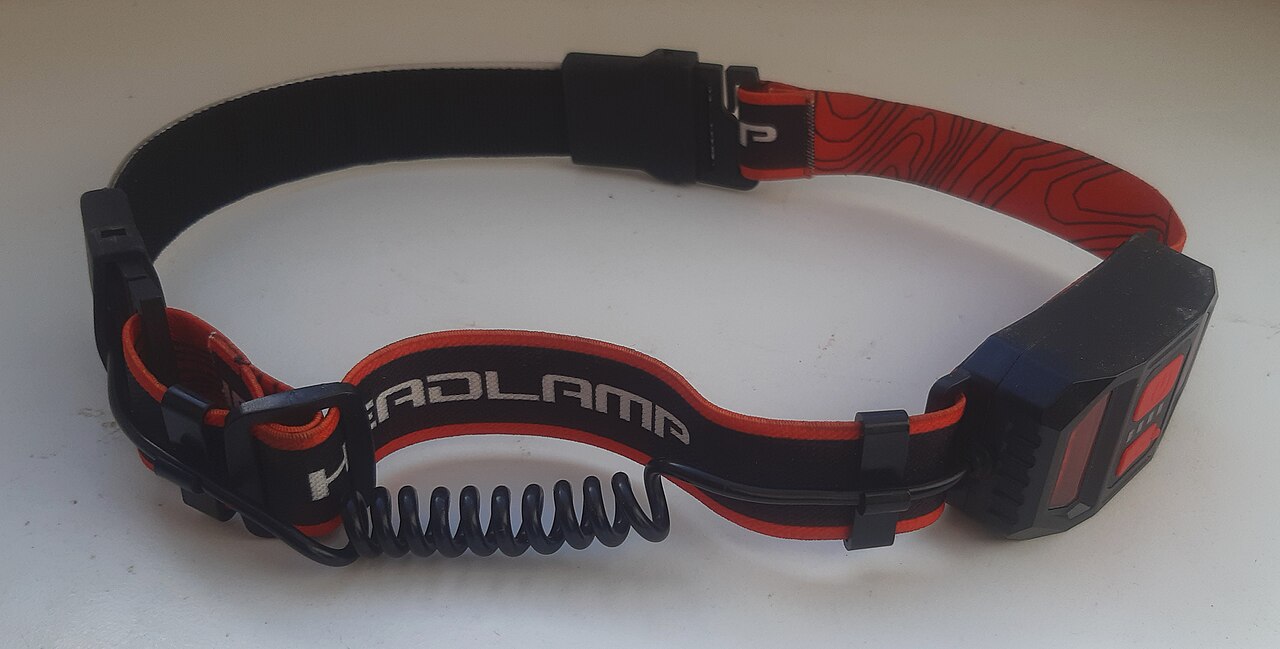
Headlamp shoppers fixate on maximum lumen output as the primary quality signal, but for night fishing specifically, a genuinely useful red-light mode and thoughtful brightness control matter more for actual usability than raw brightness numbers that can work against you on the water.
A full-brightness white light, however impressive on paper, genuinely hurts your night vision and can spook fish in shallow or clear water when used at close range near the surface. Red-light mode preserves night-adapted vision far better than white light while still providing enough illumination for tasks like tying knots or handling tackle, and a headlamp without a genuinely usable, adjustable red-light mode is missing a feature that matters more for serious night fishing than an extra few hundred lumens of white-light output.
Waterproof rating deserves real scrutiny beyond marketing claims, given how much more exposure a headlamp faces during actual boat-based or wading night fishing than typical general outdoor use. A headlamp rated for splash resistance handles occasional rain or spray fine, but genuine submersion resistance matters for anglers who might drop a headlamp overboard or get caught in genuinely wet boat conditions repeatedly through a night session.
Battery life under realistic use patterns matters more than maximum runtime claims tested under minimum brightness settings. Marketing figures often reflect the lowest brightness setting, which doesn’t represent how most anglers actually use a headlamp during an active night session requiring brighter output for tasks like unhooking fish or tying rigs — researching realistic battery life at a brightness level you’d genuinely use, rather than trusting the headline runtime figure, avoids an unpleasant mid-trip surprise.
Weight and comfort for extended wear affect usability considerably more than casual buyers initially consider, since a headlamp that feels fine for a brief test but becomes uncomfortable after hours of continuous wear during an all-night session genuinely detracts from the experience — testing extended comfort, or researching reviews specifically addressing long-session comfort, matters more than a brief in-store trial.
Beam pattern and adjustability between flood and spot settings matter for different specific tasks throughout a night session. A wider flood beam suits general area illumination and walking around a boat deck safely, while a more focused spot beam helps with detailed tasks like tying knots or examining a specific catch — a headlamp offering genuine adjustability between these patterns serves the varied needs of an actual night fishing session better than a fixed single-beam design.
Strap security and fit affect real usability during active fishing more than static comfort testing reveals, since a headlamp that shifts or slips during active movement — casting, fighting a fish, moving around a boat deck — becomes a genuine annoyance and safety concern beyond simple discomfort.
Where I’d push back on common buying advice: a lot of headlamp recommendations, written primarily for general camping and hiking use, rank options almost entirely by maximum lumen output and runtime. For night fishing specifically, a headlamp with genuinely excellent red-light mode, waterproofing, and beam adjustability but a more modest maximum lumen count serves anglers better than a brighter but less thoughtfully designed option optimized for a different primary use case.
Bottom line: prioritize genuine red-light mode quality and waterproof rating over maximum lumen output for night fishing specifically, verify realistic battery life at the brightness level you’d actually use, and test extended comfort and strap security rather than judging purely on a brief initial trial.