Albacore Tuna: Reading Water Temperature Charts Beats Guessing Every Time
Why locating the sea surface temperature break, not blind trolling, is the real key to finding albacore tuna.
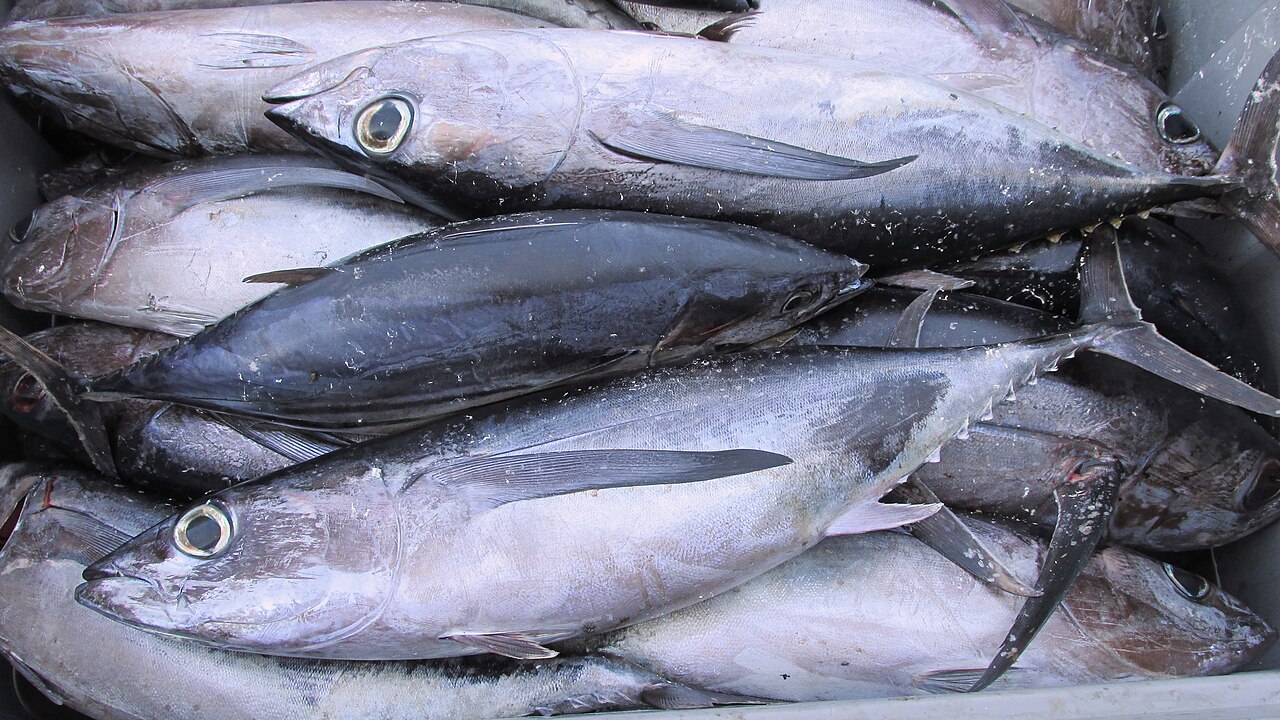
Running blind offshore hoping to stumble onto albacore wastes fuel and fishing time that checking a sea surface temperature chart the night before could have saved — albacore key on specific temperature breaks with enough consistency that this single piece of preparation matters more than almost any on-the-water technique adjustment.
Albacore favor a fairly specific temperature range, and locating the edge where warmer offshore water meets cooler nearshore water is the single most reliable way to find fish rather than searching randomly across open ocean. Satellite-derived temperature charts, widely available before a trip, let anglers plan a route toward likely temperature breaks rather than burning fuel and daylight searching blind.
Trolling remains the foundational technique for locating and hooking albacore across open water, typically with a spread of feathered jigs or small lures worked at a moderate trolling speed, similar in principle to other tuna trolling but generally targeting somewhat smaller average fish size than bluefin or yellowfin in most fisheries.
Once a school is located, switching from trolling to jigging or live bait presentation often extends and improves the bite considerably. Albacore frequently school in significant numbers, and a located, actively feeding school can produce sustained action on jigs or bait far beyond what continued blind trolling through the same general area would achieve.
Casting lures or jigs to visibly surface-feeding fish, when albacore are actively pushing bait to the surface, rewards quick, accurate casting — these feeding frenzies can be short-lived, and anglers who take too long getting a cast into a visible feeding school often miss the window before the fish sound or move on.
Tackle runs moderate compared to larger tuna species covered elsewhere — 20-40lb class trolling or jigging gear handles most albacore encounters comfortably, reflecting the generally smaller average size of this species compared to bluefin or larger yellowfin class fish.
Regional timing genuinely matters and shifts meaningfully by specific fishery — West Coast albacore runs, for instance, follow water temperature and current patterns that shift the productive fishing grounds progressively through a season, meaning the right location changes considerably from early to late season rather than staying fixed in one area.
One piece of advice worth reconsidering: a lot of trip planning treats water temperature as a nice-to-have data point rather than a primary planning tool. In practice, checking current temperature break locations and planning a route specifically toward that structure, rather than defaulting to “always productive” spots from previous trips, meaningfully improves the odds of a productive day — albacore location shifts with these breaks meaningfully more than many anglers account for when relying purely on past success at a fixed spot.