Amberjack Jigging: 'Grind, Not Flutter' Is the Whole Technique
Why an aggressive, jarring jig cadence over wreck structure outproduces a smooth vertical retrieve for amberjack.
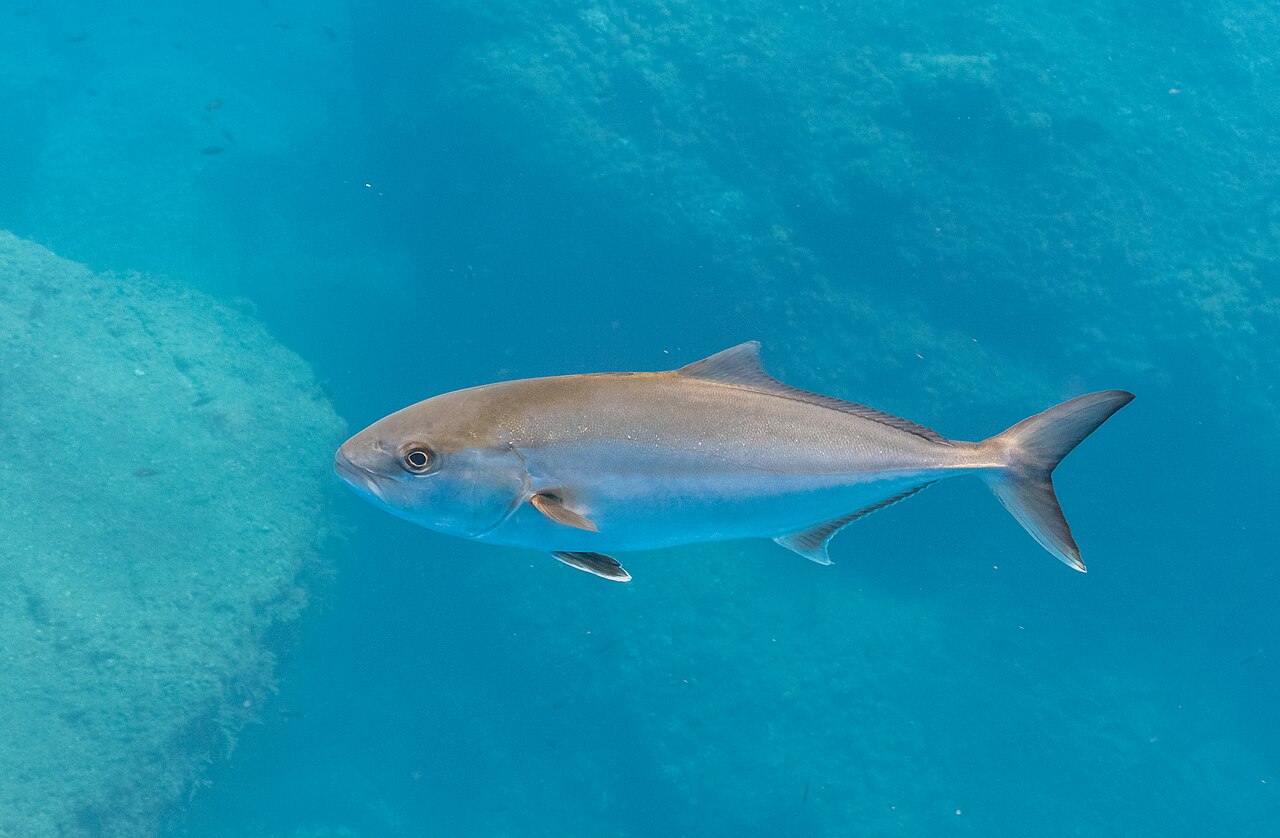
Ask ten anglers how to jig for amberjack and most will describe a rhythmic, flowing lift-and-fall motion that works beautifully for species like grouper or snapper — and that’s exactly the wrong cadence for amberjack, which respond far better to a rough, mechanical, almost angry retrieve than a graceful one.
The productive jigging motion here is genuinely described as a “grind” by experienced amberjack anglers: drop the jig to bottom, then work it with hard, fast, jarring upward strokes rather than a smooth pendulum-like lift. Amberjack seem to key on erratic, wounded-looking movement rather than a natural fluttering fall, and a jig worked too smoothly often gets ignored in favor of one worked more violently.
Jig weight needs to match depth and current more aggressively than a lot of general bottom-fishing advice suggests. Amberjack commonly hold over wrecks and structure in water deep enough, and current strong enough, that a jig too light simply won’t maintain bottom contact or the erratic action that triggers strikes — 3-4oz jigs suit shallower, calmer structure, while heavier 6-9oz jigs become necessary as depth and current both increase.
Structure specificity matters enormously for this species. Amberjack hold tight to wrecks, artificial reefs, and hard-bottom structure, and locating that exact structure precisely via sonar before dropping a jig matters more than for more roaming pelagic species — a jig worked even a short distance off the actual structure often produces nothing, while working directly over the structure’s highest relief points produces consistently.
The fight itself demands heavier tackle than the jigging technique alone might suggest, since amberjack pull hard and dive repeatedly back toward structure once hooked, testing both angler stamina and gear durability. Heavy conventional or jigging-specific spinning tackle in the 50-80lb class range, paired with strong drag systems, handles the sustained power these fish bring to a fight.
One detail that surprises anglers new to this species: amberjack fight noticeably harder for their size than many comparably-sized fish, and the phrase “reef donkey,” a common nickname among anglers who target them regularly, reflects genuine respect for how stubborn and powerful the fight is relative to the fish’s actual weight class.
A piece of advice worth reconsidering: a lot of bottom-fishing content treats amberjack as a secondary or bycatch species while primarily targeting grouper or snapper on the same structure. If amberjack specifically is the goal for a session, using a dedicated jigging approach with the aggressive cadence described above, rather than a passive bait presentation aimed more broadly at whatever bites, meaningfully improves results — these fish respond to active, deliberately erratic presentation far more than to a static bait sitting on bottom.