Cobia Sight-Casting: Leading a Moving Fish Is the Skill That Matters
Why casting ahead of a cruising cobia's path, not directly at it, and checking floating structure produce more hookups.
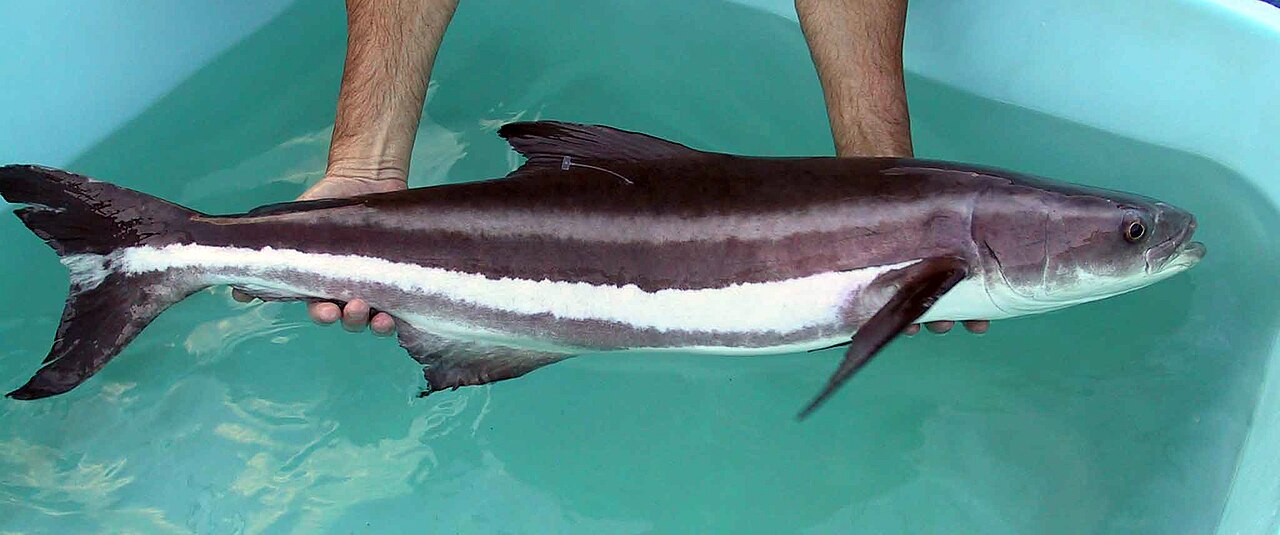
A cobia cruising just under the surface will often follow a poorly-led bait or lure out of mild curiosity without ever committing, while the same fish presented with a cast placed correctly ahead of its travel direction converts far more reliably — leading a moving target is the single skill that separates consistent cobia success from frustrating near-misses.
Cobia are frequently spotted before they’re hooked, which is both the appeal and the challenge of this species. They cruise near the surface around structure, buoys, rays, and occasionally near boats themselves, curious and often visible well before a cast is made, giving anglers real time to plan their presentation rather than reacting to a sudden, unseen strike.
The hookset mechanics here reward patience that runs against a lot of anglers’ instincts. With bait presented to a visibly interested cobia, waiting for the fish to fully commit and turn with the bait, similar in principle to the drop-back technique used for blue marlin, before setting the hook firmly produces better hookup rates than an immediate, premature hookset the moment a fish shows interest.
Structure and floating objects consistently hold this species more than open water does. Buoys, floating debris, channel markers, and even large rays swimming near the surface often have cobia shadowing them, using the structure or the ray itself as cover while hunting — checking any floating object or visible ray encountered while running to another destination is worth the brief detour, since cobia showing up this way is common enough that experienced captains treat it as standard practice rather than a lucky bonus.
Bait and lure presentation both work, with live eels and similar baitfish being a traditional, reliable natural offering, while jigs and soft plastics worked with an erratic retrieve near structure also produce consistently for anglers who prefer active lure fishing over live bait.
Tackle needs to handle a genuinely strong, sustained fight for the species’ size — cobia pull hard and don’t give up quickly once hooked, and 30-50lb class spinning or conventional gear, paired with a reel offering solid drag capacity, handles the average encounter without being undergunned.
One piece of advice worth reconsidering: a lot of cobia content emphasizes casting directly at a spotted fish as soon as possible. In practice, taking a moment to actually read the fish’s swimming direction and speed, then placing a cast well ahead of its path rather than reactively casting at its current position, produces meaningfully better results — cobia often continue swimming past a cast that lands directly on top of or slightly behind them, since the fish has already moved past that exact spot by the time the bait sinks into range.